
Waterproofing Services in Islamabad
Professional Waterproofing Solutions for Every Property
Protect your property with professional waterproofing services in Islamabad designed to stop seepage at its actual source. From roof and bathroom leaks to wall, basement and water-tank issues, Home Advisor’s waterproofing specialists identify the moisture path first, apply the right solution, and verify the treated area after completion. As a trusted waterproofing company, we handle both residential and commercial waterproofing projects across the city.
Inspection
Materials
Warranty
Applicators
How do you know waterproofing has actually worked?
A dry wall for a few weeks after treatment isn't proof — most seepage problems only reveal themselves fully once heavy or sustained rain returns. Genuine confirmation comes from identifying the actual entry point (a hairline crack, a failed roof waterproofing joint, a rising damp line) before any coating is applied, then pressure-testing the treated surface with water after curing. Any roof waterproofing service that skips source identification is simply masking a symptom — and that is the difference between a coating job and proper waterproofing services. A rushed waterproofing repair that skips this step rarely holds beyond one monsoon season, which is why every seepage treatment we deliver is tested, not just assumed to work.
Why Seepage Problems Are Missed Late in Islamabad

Flat concrete roofs common across the sectors
Much of Islamabad’s older housing uses flat concrete roof slabs, which pool standing water during monsoon rains instead of shedding it like a sloped roof. Hairline cracks that would be harmless on a pitched roof become active leak points once water sits on them for hours. This is exactly why concrete roof waterproofing in Islamabad needs a different approach than a sloped residential roof elsewhere.
Basement and lower-ground construction near the Margalla foothills
Properties closer to the hills, particularly in sectors like E-7, F-6 and Bani Gala, deal with higher groundwater movement after heavy rain, making basement and retaining-wall seepage far more common than residents expect from a "dry" city, and why proper basement waterproofing matters even in hillside sectors.
Bathroom and water tank leaks hidden behind tiling
A slow bathroom leak can travel behind tiles and down into the ceiling below for months before it ever shows on the surface, by which point the affected area is far larger than the original leak point. A proactive water tank waterproofing check, paired with washroom waterproofing, catches this long before ceiling damage appears.
Older housing built before modern damp-proof standards
Many F- and G-sector homes built decades ago predate current damp-proof course requirements, leaving them structurally more exposed to rising damp than newer construction in Bahria Town or DHA. This is where old roof waterproofing paired with a proper dampness treatment plan makes the biggest difference for older F- and G-sector homes.
The practical result is that most seepage jobs in Islamabad involve more than a single visible crack.
That’s why our inspection maps the full moisture path — roof, wall, and interior — before any treatment is quoted.
A Five-Minute Check Before You Call
Check the roof after rain,
not before
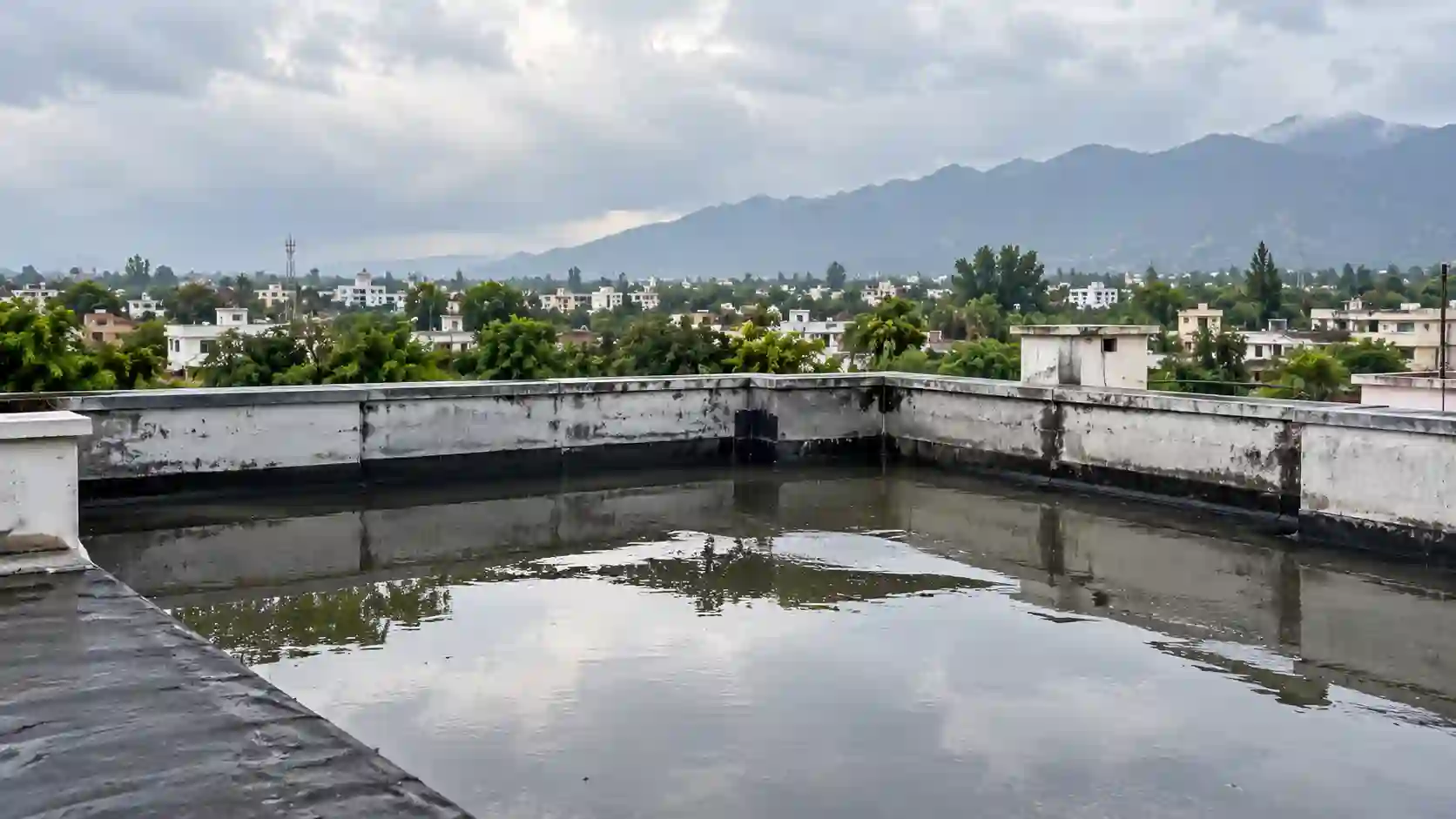
Look for pooled water that hasn’t drained within a few hours, visible hairline cracks, or areas where the surface coating has worn thin or peeled.
Look for a tide line
on interior walls
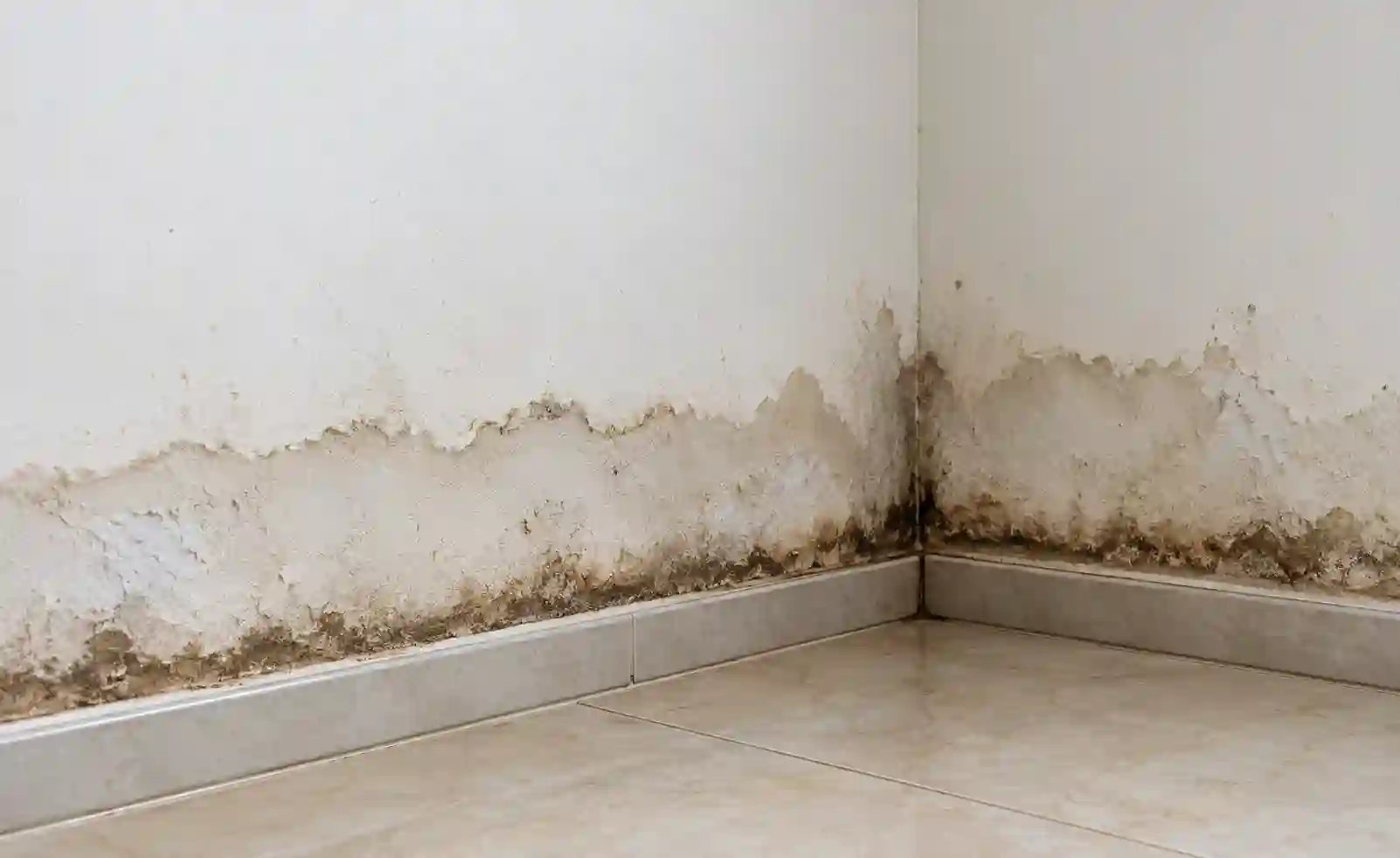
A horizontal discoloured band a few inches above floor level, especially in ground-floor rooms, is a classic sign of rising damp rather than a roof leak.classic sign of rising damp rather than a roof leak, and usually the first indicator that wall seepage treatment is needed.
Press gently on bathroom
tiles near the shower or tub
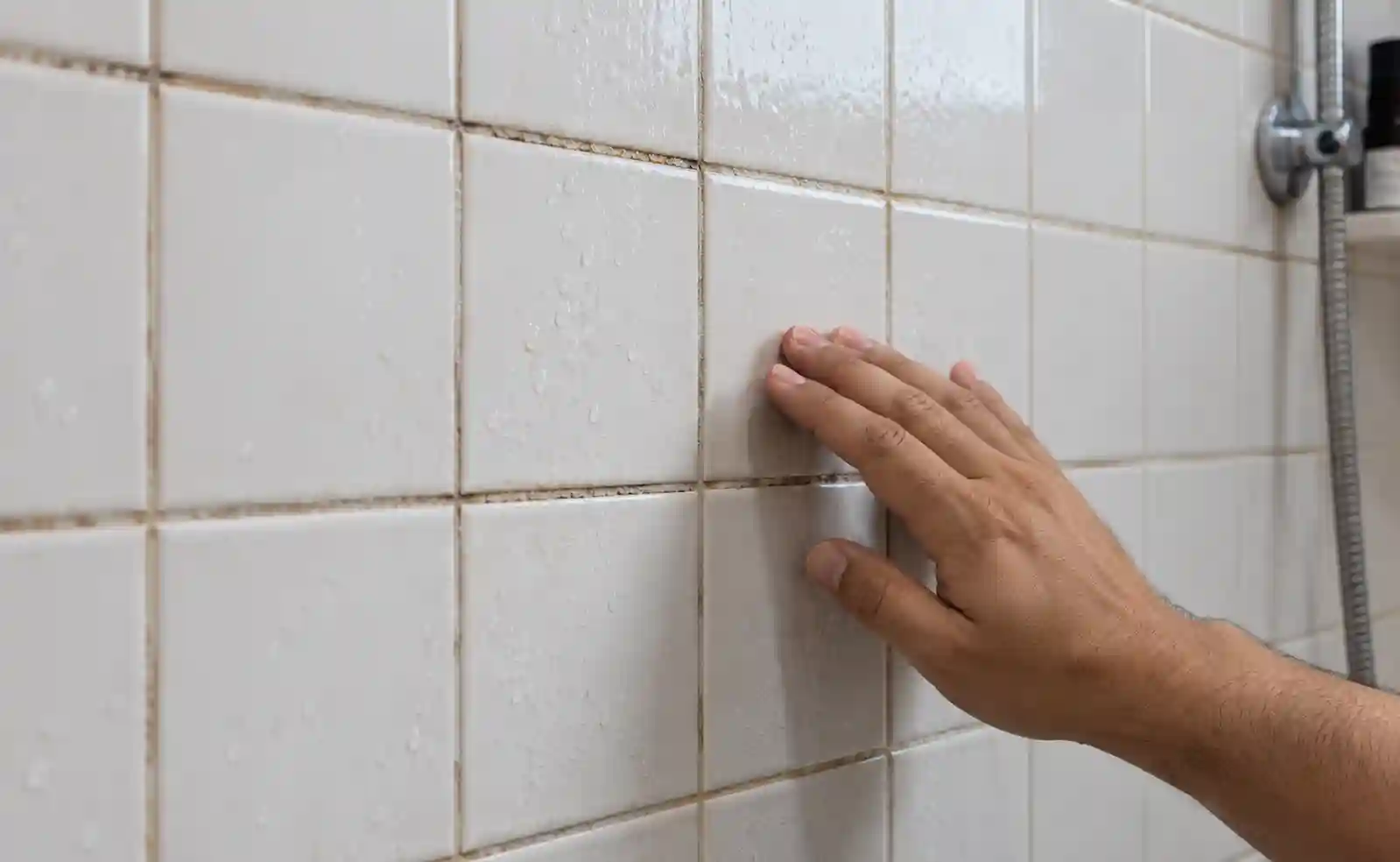
A slightly spongy feel, or tiles that sound hollow when tapped, often means moisture has already gotten in behind them.
Check the water tank
and surrounding wall
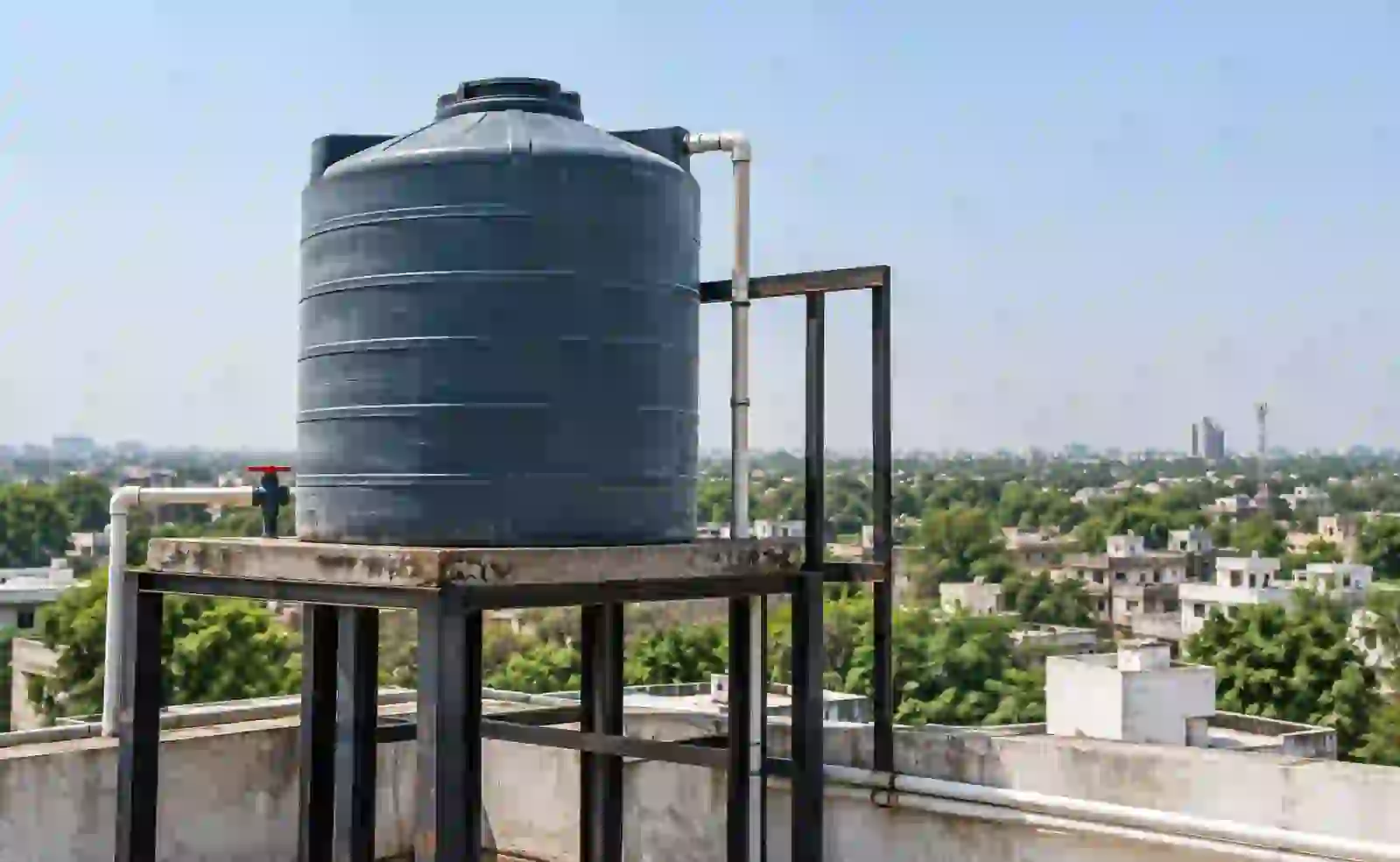
Damp patches on the wall directly below or around an overhead water tank usually point to a tank seal failure rather than roof seepage.usually point to a tank seal failure that needs water tank leakage repair rather than roof seepage.
Note when the
problem appears
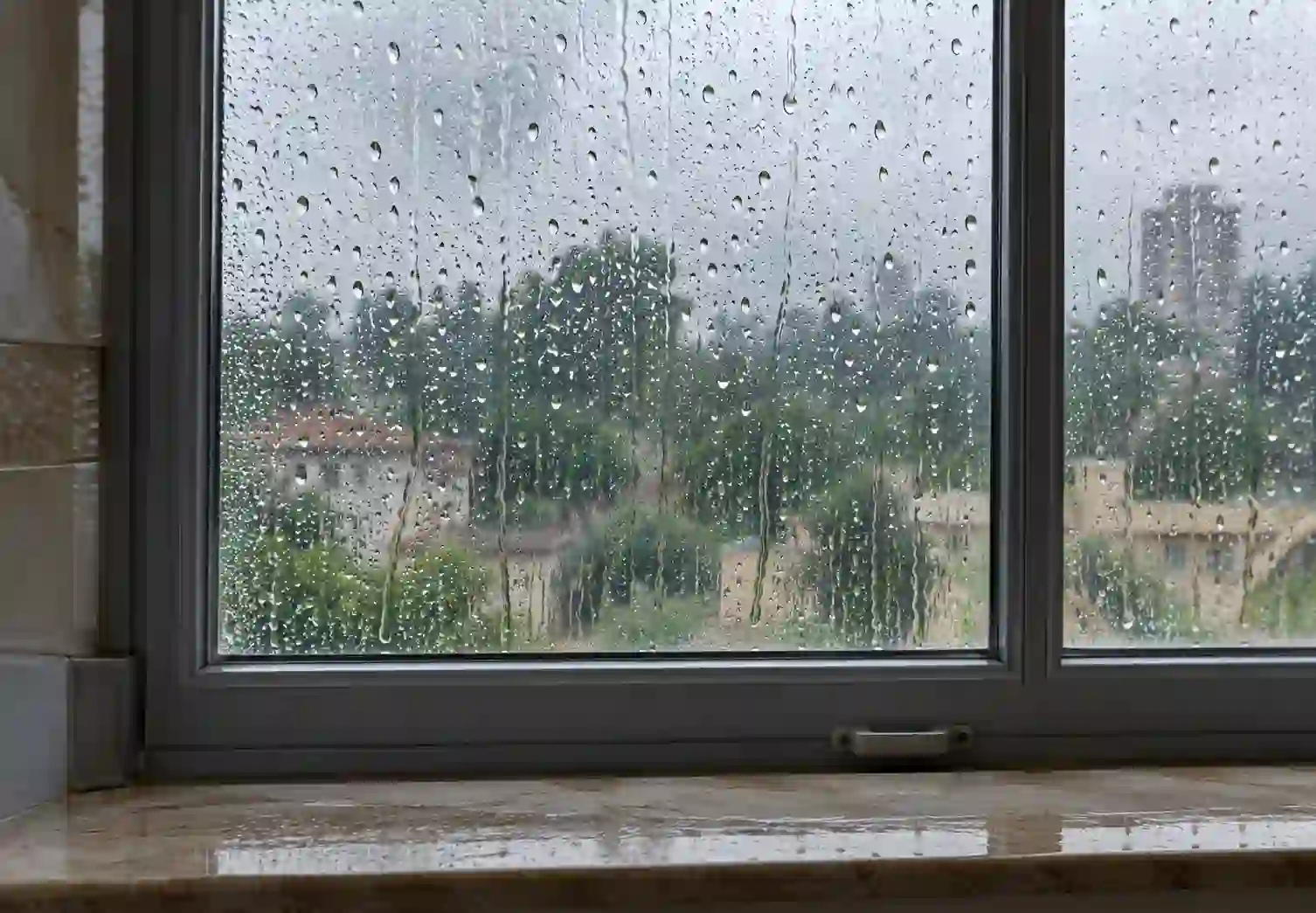
A leak during or right after heavy rain usually points to the roof or an external wall. Year-round dampness more often points to rising damp or a plumbing leak.
Found something? Don’t paint over it. Sealing a damp patch cosmetically traps the moisture behind the surface, and jobs we take on after a paint-over consistently take longer to properly dry and treat.
Waterproofing in Islamabad — How the Job Runs
Every project is handled by trained waterproofing contractors, following the same six-day process from first inspection to final handover:
Day 0 — Mapping
inspection (free, 45–60 minutes)
We trace the moisture path from the visible damage back to its actual source — roof, wall, joint, or plumbing.
Day 1 — Written scope
& method selection
You receive a written plan, recommended system, timeline, warranty terms and what needs to be moved or protected.
Day 2 — Surface preparation
& crack treatment
We clean, open and treat cracks and joints, repair honeycombing and prepare the surface for maximum bonding.
Day 3–4 — Waterproofing
application
Primer (if required), membrane or coating applied in the specified number of coats with reinforcement where needed.
Day 5 — Curing
& water test
We allow proper curing time, then do a water ponding or pressure test to verify the area is completely sealed.
Day 6 — Handover
& warranty
The area is cleaned, inspection is completed, and warranty documents are issued.
Our Waterproofing Solutions
From flat roof waterproofing to wall treatments, here’s how we match the system to the problem:
| Problem Area | Our Treatment | Best For | Key Benefit | Typical Warranty* |
|---|---|---|---|---|
| Roof Leakage (Flat Roofs) | Membrane Waterproofing (Bitumen / APP / SBS) | Concrete roofs, terraces and balconies | High flexibility, excellent crack bridging & long life | 5 – 10 Years |
| Roof & Terrace Coating | PU Liquid Waterproofing (Coating System) | Roofs with minor cracks, heat exposure | Seamless, UV resistant, reflects heat | 3 – 7 Years |
| Bathroom & Wet Areas | Cementitious Waterproofing (Coating System) | Bathrooms, kitchens, laundry areas | Non-toxic, suitable under tiles & water pressure | 3 – 5 Years |
| Wall Seepage & Cracks | Injection Grouting & Crack Sealing | External walls, basements, retaining walls | Stops active leaks and strengthens the structure | 5 – 8 Years |
| Rising Damp (Walls) | Damp-Proof Course (Chemical Barrier) | Ground floor walls, old construction | Creates a permanent barrier against rising moisture | 10 Years |
| Water Tanks | Tank Lining & Sealing System | Underground & overhead tanks | 100% watertight, safe for drinking water | 5 – 10 Years |
Chemicals & Materials We Use
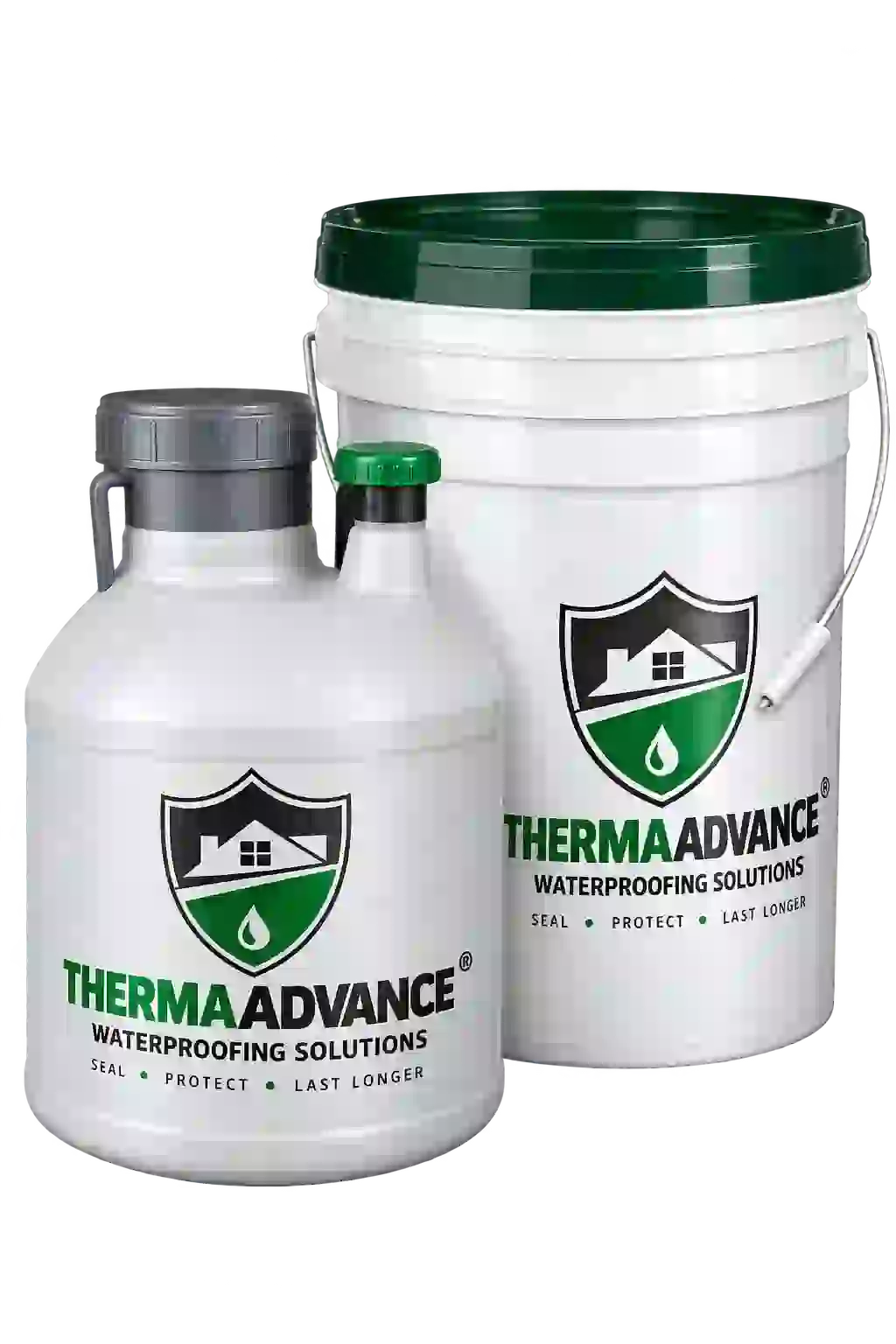
The materials behind every building waterproofing service matter as much as the application:
Safety & Quality Assurance
What Our Clients Say

– Ali Raza, F-7, Islamabad

– Usman Khan, G-10, Islamabad
Frequently Asked Questions
How long does waterproofing last?
Depending on the system applied, a properly done treatment lasts 3 to 10 years. Warranty documents are handed over after the final inspection.
Do you provide warranty on your work?
Yes. Every project carries a written warranty — 3 to 10 years depending on the surface and the system selected.
Is waterproofing safe for drinking water tanks?
Yes. For tanks we use food-grade, non-toxic linings that are completely safe for stored drinking water.
How long does the waterproofing process take?
Most jobs take 1 to 3 days including surface preparation, application and curing. Large roofs may take a little longer.
Can you stop roof leakage completely?
Yes, once the exact entry points are located and sealed. We water-test the treated area after curing to confirm no leakage remains.
Will you clean the area after completion?
Yes. Our team removes all debris and leftover material and hands the area back clean before final handover.
Stop Seepage. Protect What Matters.
Book your free inspection today and let our experts identify
the real source and fix it for good.