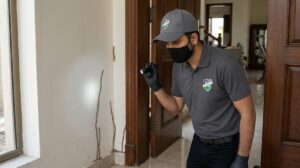
Every home in Islamabad depends on its water tank, yet most families only think about it when the water starts to smell or look cloudy. Many people try to clean the tank themselves to save time, while others call a professional water tank cleaning team. Both options can work, but they are not the same. In this guide we compare DIY cleaning with professional water tank cleaning services, explain the risks, and help you decide what is right for your home.
Why Your Water Tank Needs Regular Cleaning
A water tank collects mud, rust and bacteria over time. Regular water tank cleaning keeps the water safe for drinking, cooking and bathing for the whole family.
Even if your supply comes from CDA, a tube well or a water bowser, fine sand and silt settle at the bottom of the tank. In summer, warm water and sunlight help algae and bacteria grow on the walls. Leaves, dust and small insects enter through broken lids and vent pipes. After a few months, this layer of sludge starts to affect the colour, smell and taste of the water.
Dirty tanks are linked to stomach problems, skin irritation and diarrhoea, especially in children and elderly family members. This is why most experts recommend cleaning overhead and underground tanks at least every six months.
DIY Tank Cleaning: How People Usually Do It
DIY cleaning means emptying the tank, scrubbing the walls and refilling it yourself. It looks simple, but it is hard to do safely and properly without the right tools.
A typical DIY clean looks like this:
- Turn off the supply and empty the tank through the taps.
- Climb into the tank or reach in with a long brush.
- Scrub the walls and floor with a brush and detergent.
- Remove the sludge with buckets.
- Rinse and refill the tank.
The Problems With DIY Cleaning
- Safety risk: working inside a closed tank, on a roof or in an underground sump without support is dangerous. Slippery surfaces and poor air are a real hazard.
- Wrong chemicals: household detergents and bleach can leave smell and residue in drinking water if they are not rinsed out properly.
- Incomplete cleaning: corners, the floor and the inside of the lid often stay dirty, so bacteria grow back quickly.
- No disinfection: scrubbing removes visible dirt but does not kill germs. Without proper disinfection the tank becomes contaminated again within weeks.
- Water and time wasted: without a sludge pump, families often waste a lot of water and a full day of work.
What Professional Water Tank Cleaning Includes
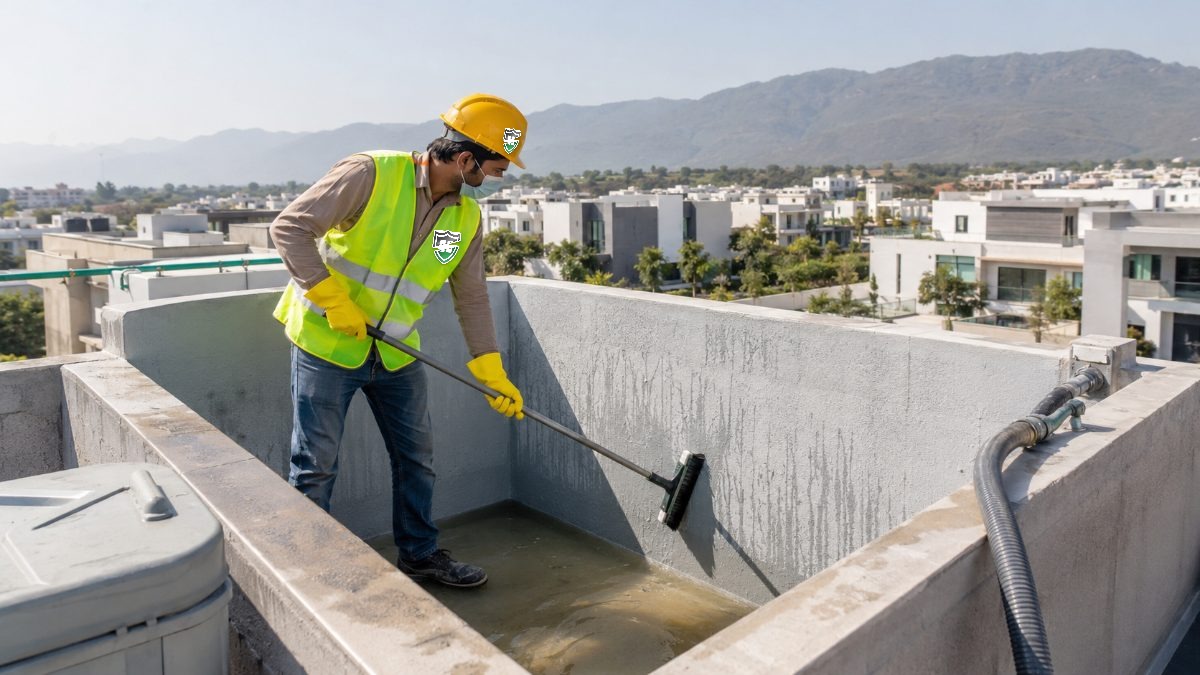
A trained team follows a fixed step-by-step process. Professional water tank cleaning removes sludge, scrubs every surface and disinfects the tank so the water stays clean for longer.
At HomeAdvisor, our tank cleaning service follows these steps:
- Inspection: we check the tank size, condition, cracks, lid and pipes.
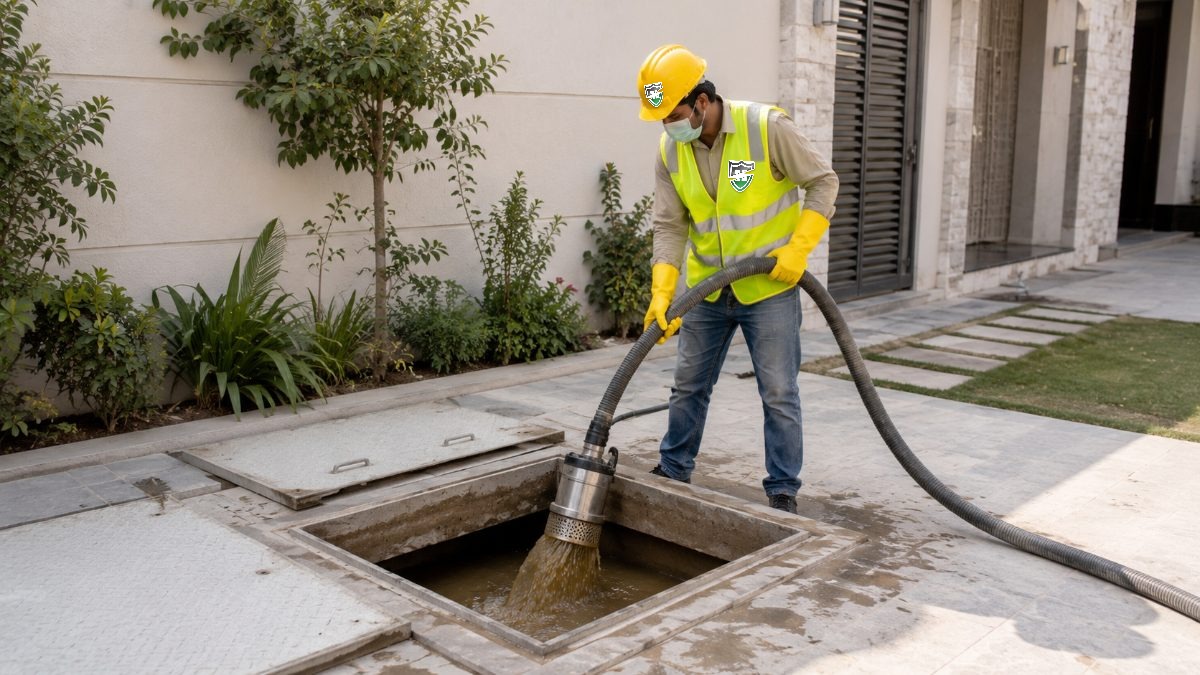
- Draining: the remaining water is drained and the sludge is pumped out with a sludge pump.
- Scrubbing: walls, floor, corners and the lid are scrubbed with brushes and pressure jets.
- Disinfection: a safe, approved disinfectant is applied to kill bacteria and algae.
- Rinsing: the tank is rinsed until no smell or residue remains.
- Final check: we refill the tank and report any cracks or leaks we found.
Our technicians wear masks, gloves and safety gear, and we work in a way that keeps your home clean.
Overhead and Underground Tanks Need Different Care
Rooftop and underground tanks get dirty in different ways. Our overhead tank cleaning services and underground tank cleaning use the right tools for each type.
Overhead tanks (plastic or concrete) sit in direct sun, so algae and heat-related bacteria are common. Plastic tanks also develop a slippery film on the walls.
Underground tanks and sumps collect more mud and silt. They are deeper, darker and harder to enter, which makes DIY cleaning risky. A professional team uses pumps, lights and safety equipment to clean them properly.
DIY vs Professional Cleaning: A Quick Comparison
The main difference is safety and how long the water stays clean. Professional water tank cleaning services remove germs, not just visible dirt.
| Point | DIY cleaning | Professional cleaning |
|---|---|---|
| Sludge removal | Buckets, often incomplete | Sludge pump, complete |
| Disinfection | Usually skipped | Approved disinfectant |
| Safety | High risk on roofs and in sumps | Trained team with safety gear |
| Time | Most of the day | A few hours |
| Leak and crack check | Rarely | Included |
| Water stays clean | A few weeks | Several months |
How Often Should You Clean Your Tank in Islamabad?
Most homes should clean their tanks every six months. Homes using bowser water or with old tanks may need cleaning more often.
For water tank cleaning in Islamabad, we suggest one clean before summer and one after the monsoon. Clean your tank sooner if you notice:
- Brown, yellow or cloudy water
- A bad smell from taps
- Slimy walls or green patches inside the tank
- Sand or particles in buckets and filters
- Family members with repeated stomach problems
Schools, offices, restaurants, plazas and apartment buildings should follow a fixed cleaning schedule because many people use the same water.
When Should You Call a Professional?
If your tank is underground, very large, very dirty or hard to reach, it is safer to call a professional team than to clean it yourself.
Searching for tank cleaning services near me or a water tank cleaning service near me is the easiest way to find local help, but choose a company that disinfects the tank and uses trained staff. HomeAdvisor provides water tank cleaning in Islamabad, Rawalpindi, Lahore and Karachi for homes and businesses.
Frequently Asked Questions
1. Is professional water tank cleaning better than DIY cleaning? Yes. Professional water tank cleaning removes all sludge, disinfects the tank and is done safely by a trained team. DIY cleaning usually removes only visible dirt.
2. How often should a water tank be cleaned? Most homes should clean their water tank every six months. Tanks filled with bowser water, old tanks and tanks in commercial buildings may need cleaning more often.
3. How long does water tank cleaning take? A standard home tank usually takes a few hours. Large underground tanks and commercial tanks can take longer depending on size and condition.
4. Do you clean both overhead and underground tanks? Yes. Our water tank cleaning services cover overhead plastic and concrete tanks as well as underground tanks and sumps, using the right tools for each.
5. Is the disinfectant safe for drinking water? We use approved disinfectants and rinse the tank fully before refilling, so no smell or residue remains in your drinking water.
6. Do you provide water tank cleaning in Islamabad? Yes. HomeAdvisor provides water tank cleaning in Islamabad, Rawalpindi, Lahore and Karachi for homes, offices, schools and commercial buildings.
Book Professional Water Tank Cleaning Today
Keep your family’s water clean and safe. Call or WhatsApp HomeAdvisor at 0300-8503029, or fill in the form, to book professional water tank cleaning in Islamabad.