
Mosquito control, mosquito spraying and mosquito fumigation are the three most searched solutions when a home starts filling up with mosquitoes every evening. If you’ve been swatting mosquitoes for weeks and nothing seems to work long-term, this guide walks you through why mosquitoes keep coming back, which prevention methods actually help, and when it makes sense to call in mosquito control services instead of fighting it alone.
Why Do Mosquitoes Keep Coming Back?
Mosquitoes don’t need much to survive and breed. A bottle cap of stagnant water, a clogged gutter, or a plant saucer that never fully dries out is enough for eggs to hatch within days. That’s why spraying a room once rarely solves the problem — new mosquitoes hatch from breeding spots you may not even notice.
Common breeding and hiding spots around a home include:
- Stagnant water in flower pots, buckets or old tyres
- Clogged drains, gutters and rooftop water tanks
- Overgrown grass, bushes and shaded garden corners
- Water coolers, AC drip trays and unused containers
- Dark corners under furniture, behind curtains and in storerooms
If any of these exist near your house, mosquito prevention has to start there — not just with a can of spray.
Mosquito Control: The Bigger Picture
Mosquito control isn’t a single action — it’s a mix of habits and treatments working together. Effective mosquito control usually combines three things: removing breeding sites, protecting entry points, and treating active mosquito populations when the problem has already grown.
A one-time spray might knock down the mosquitoes flying around your living room tonight, but without addressing the source, they’ll be back within a week. This is the biggest misunderstanding people have about mosquito control — they treat it as a single event instead of an ongoing routine, especially during peak mosquito season.
Mosquito Spraying: What Actually Works
Mosquito spraying is one of the fastest ways to bring down an active mosquito population indoors. There are a few different approaches:
Aerosol sprays are best for quick, small-area relief — one room, one evening. They knock down flying mosquitoes almost instantly but don’t offer lasting protection.
Residual sprays are applied to walls, corners, and resting surfaces where mosquitoes land between flights. These last longer than aerosol sprays because mosquitoes pick up the chemical simply by resting on a treated surface.
Outdoor perimeter spraying targets the areas around a home — bushes, fences, and shaded corners — to reduce the number of mosquitoes that make it indoors in the first place.
For a single mosquito problem in one room, a spray for home use might be enough. For a garden, courtyard, or a property surrounded by greenery, outdoor spraying tends to matter more than indoor spraying alone.
Mosquito Fumigation: When Spraying Isn’t Enough
Mosquito fumigation is a step up from regular spraying. Instead of targeting a room or a wall, fumigation fills an entire space with a fine mist or fog that reaches gaps, corners, and hiding spots that a hand spray simply can’t cover — under furniture, behind cupboards, inside wall cracks, and around drains.
Fumigation is usually recommended when:
- Mosquito activity has been ongoing for weeks despite regular spraying
- The property is large, has multiple rooms, or has outdoor greenery
- A commercial space (office, warehouse, restaurant) needs treatment
- Mosquito-borne illness risk is high in the area, such as during dengue season
Because fumigation covers a wider area more thoroughly, many households turn to mosquito control services for this step rather than attempting it themselves, since proper equipment and dosage matter for both effectiveness and safety.
Mosquito Fogging Services: How They’re Different
Mosquito fogging services use a thermal or ULV (ultra-low volume) fogging machine to turn a chemical solution into a fine mist that hangs in the air and settles on surfaces, walls, and vegetation. This is particularly effective outdoors — in gardens, lawns, community spaces, and around standing water sources — where a regular spray bottle simply can’t reach far enough.
Fogging is often used seasonally, ahead of monsoon or dengue season, as a preventive measure rather than a reaction to an existing infestation. Many housing societies and commercial properties schedule fogging every few weeks during high-risk months to keep mosquito populations from building up in the first place.
Mosquito Removal Services vs DIY Methods
At some point, most households compare doing it themselves against calling mosquito removal services. Here’s a simple way to think about it:
DIY methods make sense when:
- The problem is limited to one or two rooms
- You’ve already removed visible standing water
- Mosquito activity is occasional, not constant
Professional mosquito removal services make more sense when:
- Mosquitoes are present throughout the day, not just at dusk
- The property has a garden, courtyard, or nearby drainage
- Previous spraying attempts haven’t given lasting results
- You need commercial-grade treatment for an office, restaurant, or larger building
Professional teams also bring an advantage that’s easy to overlook: they inspect the property first, identify where mosquitoes are actually breeding, and treat that specific area — rather than spraying broadly and hoping it works.
Mosquito Prevention: Daily and Weekly Habits That Help
Mosquito prevention is less about products and more about consistency. A few habits, done regularly, make a bigger difference than an occasional deep clean:
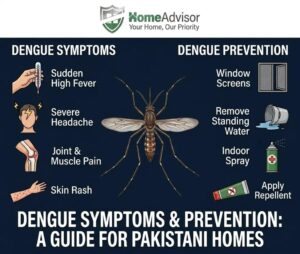
- Empty standing water weekly — pots, saucers, buckets, coolers
- Clean gutters and drains so water doesn’t sit and stagnate
- Trim overgrown grass and bushes where mosquitoes rest during the day
- Use fine mesh screens on windows and doors
- Keep the water tank lid tightly sealed to stop mosquitoes breeding inside
- Use a mosquito spray for home use in the evening, when mosquito activity peaks
- Schedule mosquito control services every few months rather than waiting for a full-blown problem
None of these steps alone will eliminate mosquitoes completely, but together, they make your home a much harder place for mosquitoes to breed and survive.
Best Time of Day (and Year) for Mosquito Treatment
Mosquitoes are most active during early morning and dusk, so spraying right before these windows gives the best results. Seasonally, prevention works best when started before mosquito populations build up — waiting until an infestation is already severe means treatment has to work much harder to bring numbers back down.
If your area has a history of mosquito-borne illness during certain months, that’s the ideal time to schedule fumigation or fogging in advance, rather than reacting once mosquito activity has already spiked.
When Should You Call in Professional Help?
A good rule of thumb: if mosquitoes are affecting your daily routine — disturbing sleep, appearing throughout the day, or returning within days of spraying — it’s time to move from occasional spraying to a proper mosquito control plan. Professional mosquito control services combine inspection, targeted treatment, and follow-up, which is far more effective than repeated one-off sprays.
Frequently Asked Questions
Q1: How often should mosquito spraying be done at home?
For most households, mosquito spraying every few weeks during peak mosquito season is enough to keep numbers under control. If mosquitoes return within just a few days, it usually means a nearby breeding source hasn’t been addressed, and mosquito fumigation or a professional inspection may be needed.
Q2: What’s the difference between mosquito fogging services and regular spraying?
Regular spraying treats a specific room or surface, while mosquito fogging services cover a much wider outdoor or indoor area using a fine mist that reaches corners, vegetation, and hiding spots a hand spray can’t. Fogging is typically used for gardens, larger properties, or as a seasonal preventive measure.
Q3: Can mosquito prevention alone keep my home mosquito-free without spraying?
Prevention — removing standing water, sealing tanks, trimming greenery — significantly reduces mosquito breeding, but it rarely eliminates an existing population on its own. Combining prevention habits with periodic mosquito spraying or professional mosquito removal services gives the most reliable, long-term result.
Ready for Lasting Mosquito Control?
Mosquitoes rarely go away with a single spray — they need a plan that combines prevention, treatment, and follow-up. If DIY methods aren’t giving you lasting results, it may be time to bring in a professional team.
Book Mosquito Control Services with Home Advisor for a proper inspection and treatment plan suited to your property.